Everything you need to know about El Niño
US scientists at the National Oceanic and Atmospheric Administration (NOAA) have declared that El Niño conditions are officially underway in the tropical Pacific. Japan’s Meteorological Agency (JMA) takes a similar view, although the Australian Bureau of Meteorology, which uses stricter criteria, doesn’t yet agree.
So, what is El Niño?
El Niño is a natural weather pattern that occurs every two to seven years - lasting around 6 to 12 months - and alternating with its sister pattern El Niña. El Niño occurs as the average surface temperature of the equatorial Pacific Ocean rises more than 0.5°C; El Niña happens as it cools again. As sea temperatures rise, so does the air temperature, which can change the way air behaves globally.
The weather pattern was first identified in the 1950s, and it’s been closely monitored since then. The last El Niño was in 2024, and the coming one is expected by Autumn 2026. Occasionally, the pattern becomes a Super El Niño, caused by a 1.5°C or more sea temperature increase. The last ‘super’ event was in 2016.
What causes an El Niño?
It’s very much a natural phenomenon, with little evidence that human activity and climate change have any effect on it. However, El Niño has an effect on the climate changes we are seeing, making them feel more extreme.
What can El Niño do?
No two El Niños are alike, but disruption is usually felt most in the tropics:
- Flooding is common in northern Peru and southern Ecuador and can reach parts of East Africa, Central Asia, and the southern United States, including California and the Gulf Coast
- The risk of drought and wildfires rises across much of Australia, Indonesia, and northern South America, affecting agriculture and global food stocks
- El Niño suppresses Atlantic hurricanes; US forecasters are already predicting a quieter-than-average season. But that, in turn, means less rainfall for Central America and potential drought conditions
- In the UK, it can tilt the odds towards a mild start and a cold end to winter

How should we prepare for El Niño?
This is not a new event, and it’s unlikely to bring anything that you haven’t seen before – even if it develops into a very strong or Super El Niño. If you live in an area prone to flooding or wildfires, now is the time to check that your go bag is ready. Make sure you have food, clothing, and emergency supplies to last you and your family a few days in case you are told to evacuate.
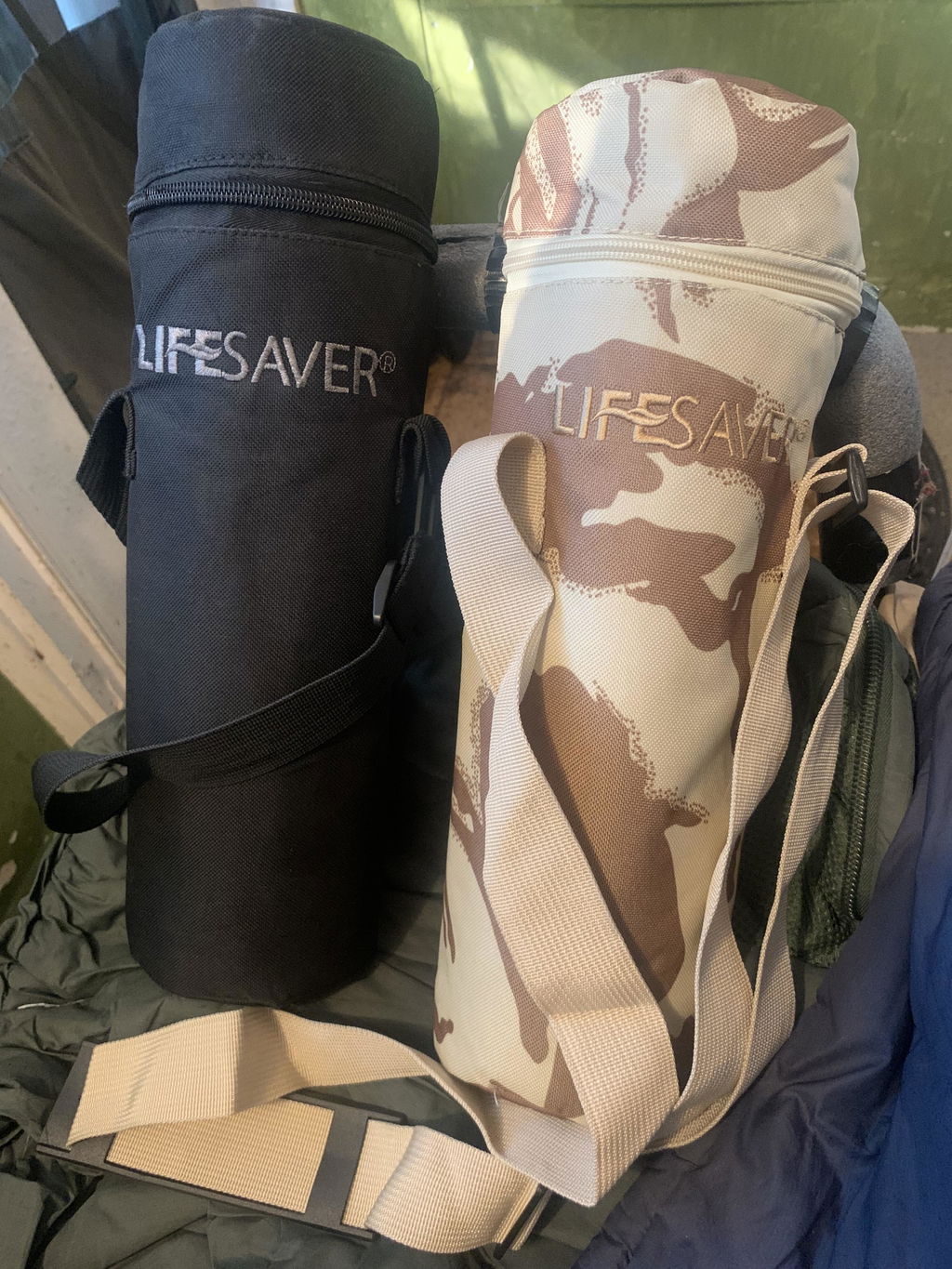
If drought conditions look likely, be considerate in your use of water – stop using hose pipes to clean cars or water gardens and start collecting rainwater in butts and tanks. A water purifier like the LifeSaver Cube or Jerrycan will enable you to use this for drinking water if necessary.
Whatever happens, it will pass, and the gentler El Niña system will follow.
If you'd like to know more about Emergency Preparedness, or discuss which LifeSaver solution will work best for you, please get in touch.