LifeSaver Hantavirus Statement
We are closely monitoring the recent Andes hantavirus outbreak on a cruise ship and the guidance being issued by public health authorities.
As hantaviruses are carried by rodents, infections in humans only tend to occur in places where people and rodents coexist - most commonly in rural, agricultural settings. The viruses can also sometimes be found in sheds, barns, and holiday homes where rodents might have nested.
Hantavirus is not spread through everyday social contact like walking in public spaces, shops, workplaces, or schools. In the rare instances where a person has caught the infection from another person (rather than from a rodent), they have had close and prolonged contact with the person who has been infected with hantavirus. This would include people who share living spaces or who may have sat directly next to somebody on a long-haul flight. The close quarters of a cruise ship would have contributed to the spread on board.
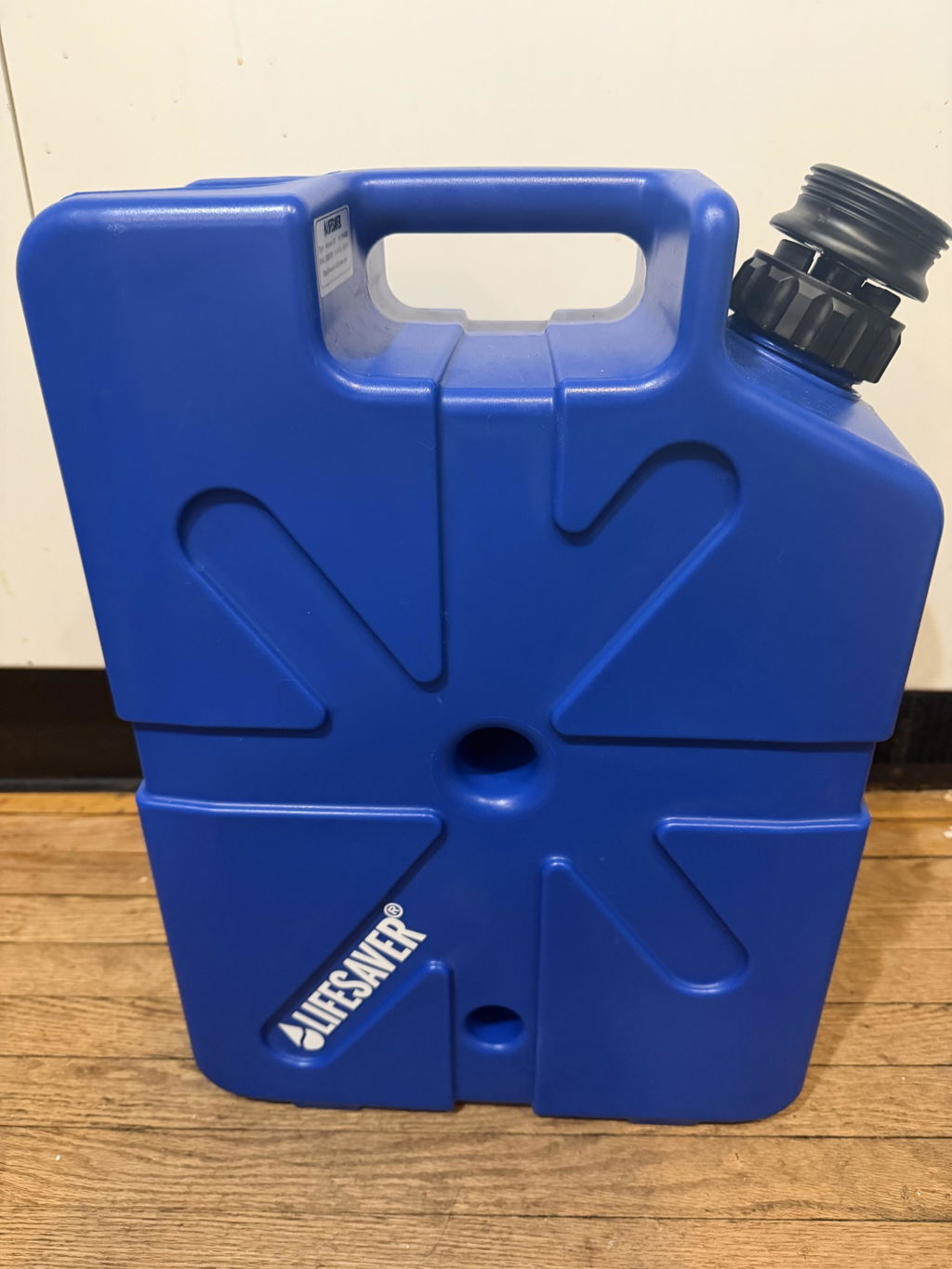
LifeSaver Water Purifiers remove 99.99% of microbiological impurities from water, including viruses. Hantavirus is not currently classified as waterborne but, if it was, the ultrafiltration technology in our filter cartridges would protect you.
While the Andes hantavirus is typically associated with South American rodent species, all rodents, including pets and wild animals, can carry bacteria and viruses that can cause infections in people. If you own a pet rodent, follow basic hygiene principles to avoid catching an infection. These can be found here.
For current public health guidance, see the UK Health Security Agency and the CDC hantavirus information page